
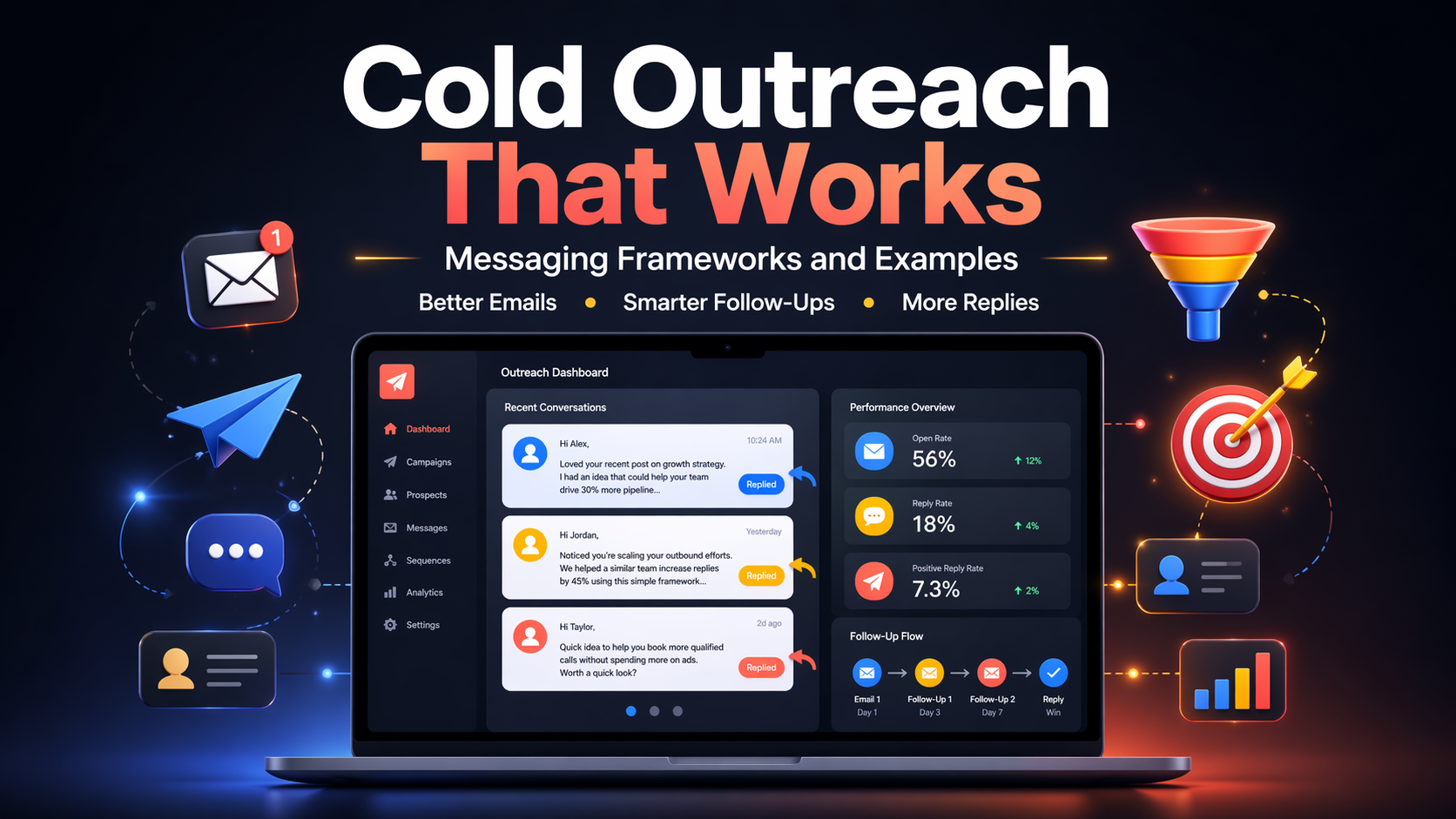
Cold outreach works best when the message feels relevant, human, and easy to respond to. This blog breaks down practical messaging frameworks, subject line ideas, follow-up strategies, and real examples that help businesses improve outreach quality, avoid generic copy, and build a more effective cold email process.
Cold outreach still works, but not when it sounds lazy, generic, or overly scripted. What works now is relevance. A good cold message feels like it was written for a real person with a real problem, not pulled from a mass template and sent to a list. HubSpot’s sales outreach guidance says cold outreach is highly customizable and that tailoring messages to specific needs and interests increases the likelihood of engagement.
That is why the best cold outreach is not really about clever wording. It is about message fit. If the right offer reaches the right person in the right way, even a short message can work. But if the message is vague, self-centered, or disconnected from the prospect’s world, no subject line trick will save it. HubSpot’s sales email guide frames the goal clearly: write sales emails people actually want to open and respond to.
This topic also fits Hamedia Agency naturally. Hamedia’s homepage says the company combines talent, AI, and strategy to provide outsourcing and digital services tailored to business needs, including telemarketing, email automation, SEO, and operational AI dashboards. That makes cold outreach a strong blog topic for your site because it connects directly to lead generation, email strategy, and sales support.
Most cold outreach fails for a simple reason. It asks for too much trust too fast without earning attention first. The sender jumps into a pitch, talks too much about their company, and gives the prospect no good reason to care. That is why so many outreach emails feel forgettable. They sound like they could be sent to anyone. Mailchimp’s sales email guidance specifically says to start with a personalized opener and reference what brought the lead to you or what caught your attention.
Another common problem is that businesses confuse volume with quality. Sending more messages does not fix weak messaging. It usually just spreads the weakness faster. A better approach is to tighten the message, improve the targeting, and test small changes before scaling. Even HubSpot’s community guidance on cold emailing recommends starting with small, handpicked lists and optimizing the messaging before expanding.
Good cold outreach does three things well. First, it shows relevance quickly. Second, it makes the value easy to understand. Third, it gives the prospect a small and easy next step. That is usually enough. The message does not need to explain everything. It just needs to create enough interest for a reply. HubSpot’s template guidance and sales email resources both emphasize readable, targeted, personalized messages rather than heavy or overly technical copy.
This is where a lot of businesses can improve. They write cold emails as if they are mini brochures. But cold outreach works better when it feels like the beginning of a conversation, not the final sales argument. The prospect does not need every detail in the first touch. They need a reason to respond.
This is one of the easiest frameworks to use because it feels natural. You start with a short observation about the prospect, their business, or something relevant to their role. Then you connect that observation to a likely problem. Then you show the value you help create. Then you end with a soft CTA that feels easy to answer.
A simple version looks like this: “Noticed your team is growing across multiple channels. That usually creates more follow-up gaps and slower response times. We help businesses tighten outreach systems and improve consistency without adding more internal overhead. Worth a quick conversation?” This kind of structure works because it leads with relevance instead of self-introduction. Mailchimp’s sales email guidance supports this kind of opening by recommending a personalized opener tied to something specific.
Here is a simple example for a business owner:
Subject: Quick thought on follow-up gaps
Message: Hi Sarah, I noticed your company is actively pushing new service pages and local visibility. That usually means more inbound interest, but also more pressure on follow-up and lead handling. We help growing teams build cleaner outreach and support workflows so leads do not sit too long or get lost in the shuffle. Open to a short chat next week?
This works best when the observation is real. If the first line feels fake or generic, the whole message becomes weaker.
This framework works well when there is a clear trigger. A trigger can be a new hire, a new market, a new product, a recent funding event, a growing content push, or a noticeable process change. The message uses that trigger as the reason for reaching out.
For example: “Saw that your team recently expanded into a new service area. When that happens, outreach and response systems usually start feeling stretched. We help businesses build remote support and follow-up systems that feel more in house. Would it be useful if I sent a few ideas?” This works because the message has timing behind it. It does not feel random. HubSpot’s sales email resources consistently stress relevance and contextual messaging as part of what makes a prospect more likely to engage.
Here is an example for a SaaS team:
Subject: As your support volume grows
Message: Hi Mike, I saw your team has been expanding product visibility and adding more customer-facing content. That usually increases inbound questions, follow-ups, and pressure on response times. We help teams build structured support and outreach systems without needing to overload internal staff. Happy to send over a few ideas if useful.
This type of message is strong because the CTA is small. It does not push for a full commitment in the first line.
This framework is useful when you understand a common pain point in the prospect’s industry. Instead of pretending you know their exact internal issue, you point to a pattern you see often.
For example: “A lot of growing service businesses have no problem generating interest, but they lose momentum in the follow-up stage because the workflow is inconsistent. We help tighten those systems with trained support and AI-backed process design. Is that something your team is already working on?” This works because it feels informed without sounding like a guess dressed up as certainty.
Here is an example for a local service company:
Subject: Quick question about lead follow-up
Message: Hi Daniel, one pattern we see with growing service companies is that lead generation improves before follow-up systems are fully ready for the volume. That often means slower response times and missed revenue that never shows up in reporting. We help teams put cleaner support and outreach systems in place without hiring a large internal team. Is that an area you are already improving this quarter?
The question at the end works because it invites a simple response instead of forcing a pitch meeting.
Some cold messages work better when they get to the point quickly. This is especially true when you are emailing decision-makers who are already overloaded. In those cases, direct value can work better than a long opener.
A simple format is: who you help, what you help with, what kind of result or proof exists, and one easy next step. HubSpot’s sales template resources support reusable frameworks as long as they are customized and kept readable.
Example:
Subject: Helping teams tighten outbound follow-up
Message: Hi Aaron, we help growing businesses improve outreach consistency, lead response time, and follow-up execution using trained remote support and AI-backed workflows. Hamedia’s broader positioning is built around combining talent, AI, and strategy to improve performance and reduce operational drag. If outreach is one of the areas you want to improve this year, would a short conversation be worth it?
Subject lines matter, but not because they need to be dramatic. They matter because they signal whether the email feels relevant or generic. Mailchimp’s subject line guidance says personalization can help and recommends testing subject lines rather than guessing. It also warns against weak defaults by encouraging A/B testing and subject-line helpers based on actual performance patterns.
Simple subject lines that often feel more natural include:
“Quick thought on your follow-up process”
“Question about outbound consistency”
“Noticed your team is growing”
“Idea for improving response time”
“Worth exploring?”
The point is not to be overly clever. The point is to sound specific and relevant enough to earn a look.
Real personalization is not just inserting a first name. It is showing that you understand something meaningful about the person, their business, their timing, or their likely problem. Mailchimp’s subject-line and sales-email guidance both support personalization when it is used thoughtfully, especially in the opener and subject line.
That means better personalization sounds like this: “I noticed your team is publishing heavily around local SEO and remote support,” or “Saw that your support operation spans multiple channels,” or “Looks like your business is at the point where follow-up systems matter more than just lead volume.” Those lines are stronger because they are tied to a real observation, not just a mail merge field.
If you want help running admin follow-up, inbox management, scheduling, CRM cleanup, or recurring outreach support behind the scenes, this is also a good place to guide readers toward your service offering. If you need reliable virtual assistants supported by AI-enhanced workflows and structured operations, check this page.
A lot of cold outreach underperforms because the sender gives up after one touch. But follow-up is where many conversations actually start. HubSpot’s follow-up guide is built around that exact point: effective follow-ups are part of the process, not just a backup plan.
Good follow-ups do not need to be long. They just need to add a little more clarity, context, or value. A second message can say, “Wanted to follow up because this usually becomes a bottleneck once lead flow starts increasing,” or “Sharing one quick thought in case outreach consistency is on your radar this quarter.” A third touch can be even lighter. The tone should stay professional and calm, not pushy.
Cold outreach is not just a copy problem. It is also a deliverability and compliance problem. Google’s sender guidelines say that all email senders who send to Gmail accounts must meet certain requirements, and Google’s FAQ explains that bulk senders need authentication and easy unsubscribe handling, including one-click unsubscribe for commercial messages.
In the U.S., CAN-SPAM also matters. The FTC says the law applies to all commercial messages, including B2B email, gives recipients the right to stop future emails, and does not make an exception for business-to-business outreach.
That does not mean cold outreach is illegal. It means it needs to be handled properly. Clear identity, honest subject lines, and a real way to stop future emails are part of sending responsibly.
The messages matter, but the system behind them matters just as much. Good cold outreach usually depends on four things working together: targeting, messaging, follow-up, and handoff. If any one of those is weak, the results drop. A strong message sent to the wrong list still underperforms. A good list with weak follow-up still underperforms. A good reply with no handoff process still wastes opportunity.
This is one reason Hamedia’s positioning is useful here. The company’s homepage and approach messaging focus on combining people, AI, and strategy rather than treating outreach like only a writing exercise. That is the right mindset. Cold outreach works best when it sits inside a larger workflow that includes research, message quality, follow-up support, and visibility into results.
If you want more consistent outreach and follow-up across touchpoints, learn more here.
Cold outreach that works is usually simple. It is targeted, relevant, easy to read, and easy to respond to. It does not try to sound impressive. It tries to sound useful. The best outreach messages show the prospect why the message matters now, connect to a real problem, and ask for a small next step. HubSpot, Mailchimp, Google, and the FTC all point in the same general direction from different angles: relevance, readability, responsible sending, and thoughtful follow-up matter more than volume for its own sake.
If you want to move from theory into execution, Hamedia has several natural next-step pages for readers who need help with outreach support, AI-enhanced workflows, remote staffing, and lead-generation systems.
Valerie Vince Cruz is a thought leader in AI-enhanced outsourcing and business operations. With years of experience helping companies scale efficiently, they share insights on the latest trends and best practices in the industry.
Get in touch with our team and we'll help you find the right solution.
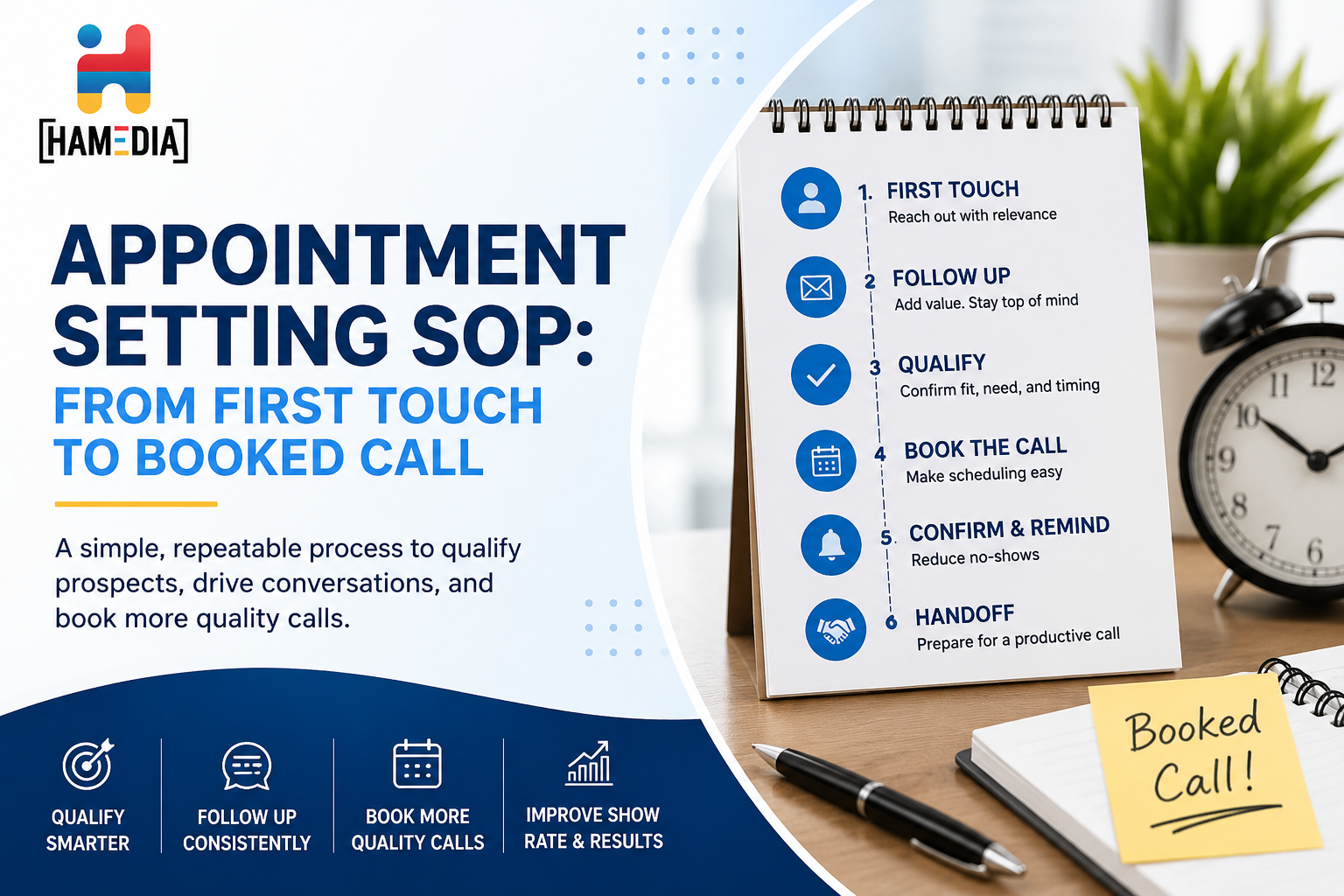
This blog breaks down a simple appointment setting SOP that helps teams move from first touch to booked call with more structure and less guesswork. It covers qualification, follow-up cadence, booking flow, confirmation, reminders, handoff, and no-show handling so businesses can improve meeting quality, protect show rates, and create a more consistent scheduling process.
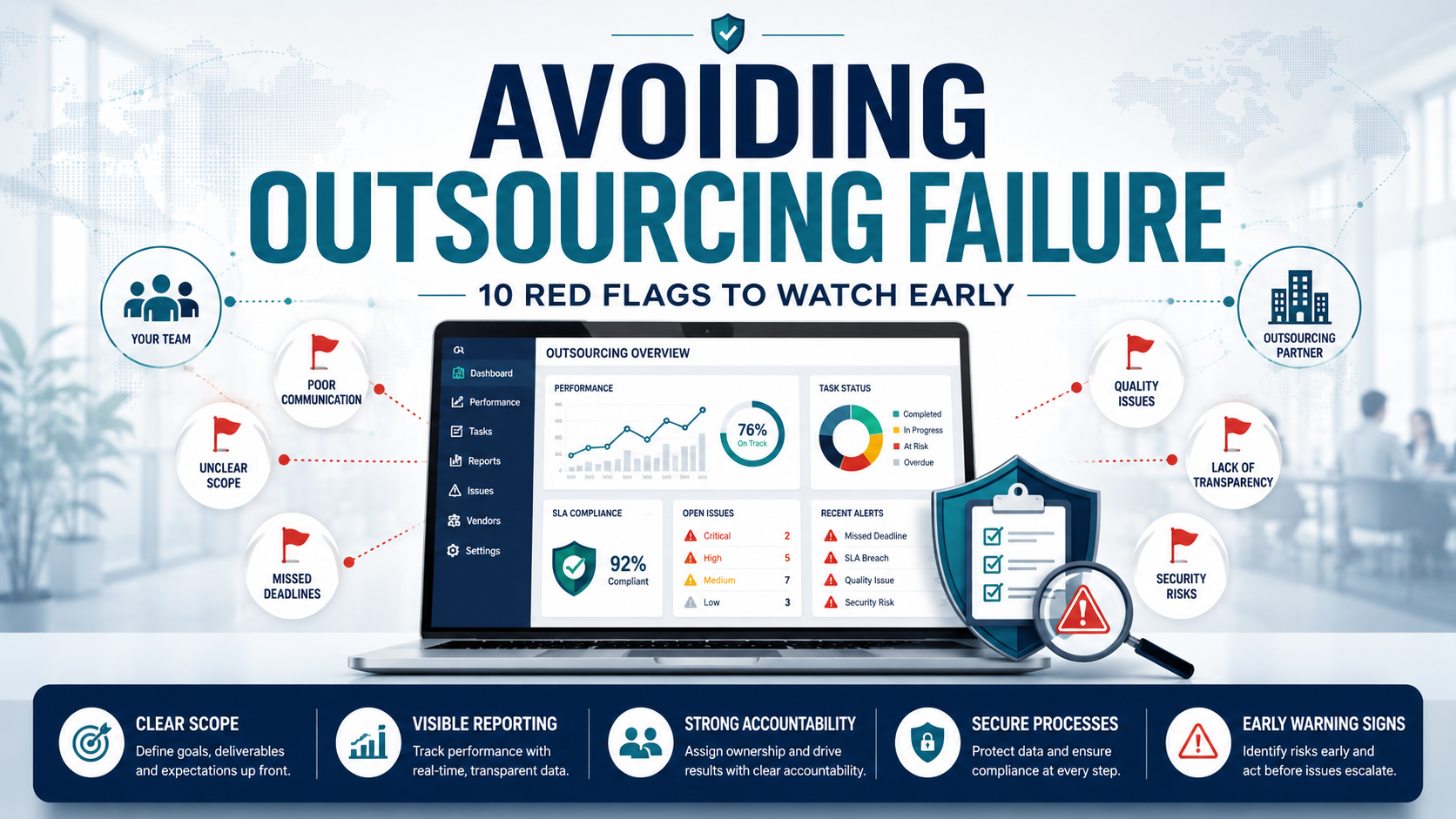
Outsourcing problems rarely begin with one major failure. They usually start with smaller warning signs that are easy to ignore at first. This blog outlines 10 early red flags businesses should watch for, from vague scope and weak communication to poor reporting, repeated rework, and unclear accountability, so teams can spot problems sooner and avoid bigger outsourcing failures later.
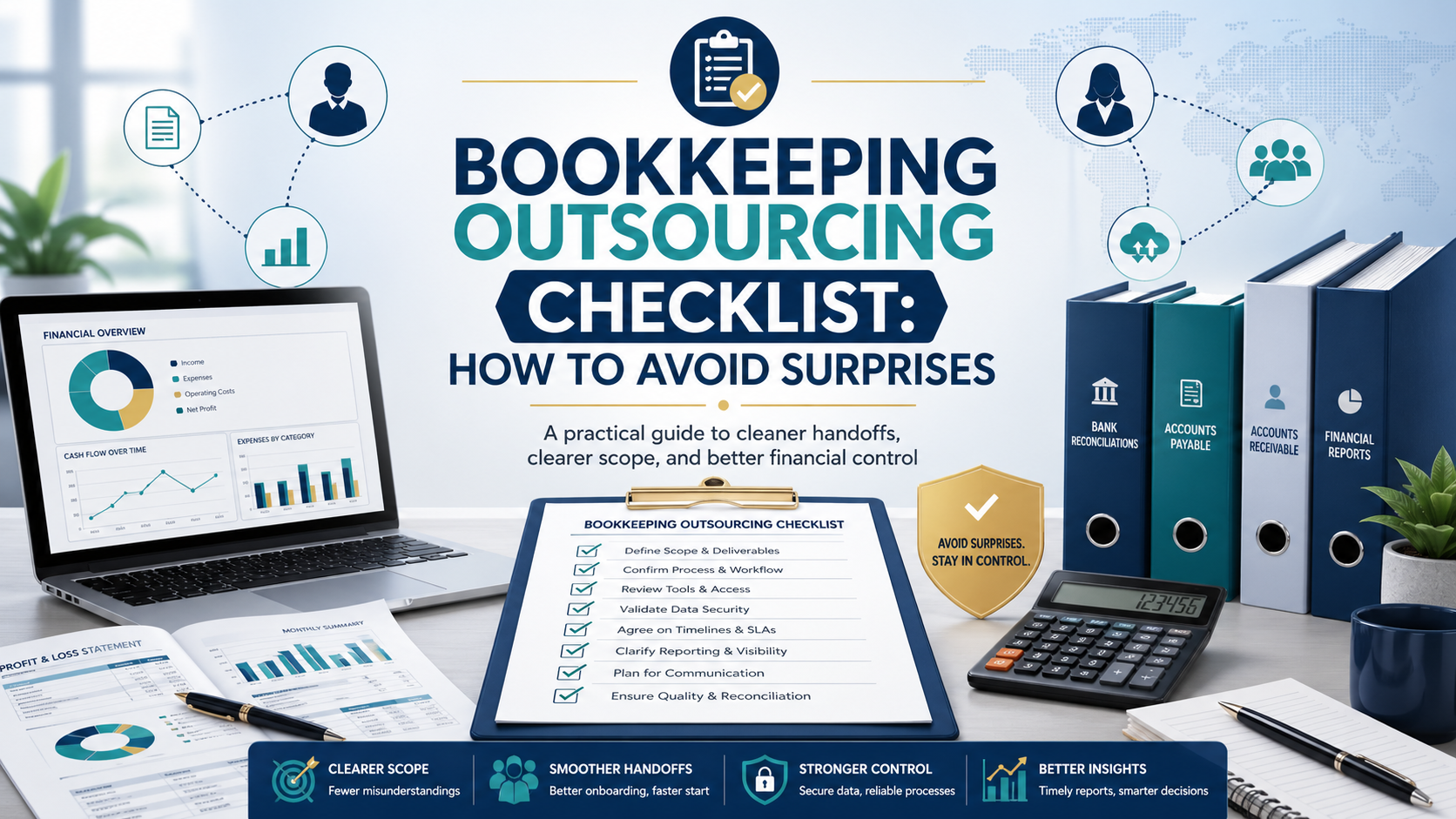
Outsourcing bookkeeping can save time and improve financial visibility, but only when the setup is clear from the start. This blog breaks down a practical checklist to help businesses avoid common surprises by defining scope, cleaning up records, setting reporting expectations, protecting access, and building stronger controls before handing the work off.