
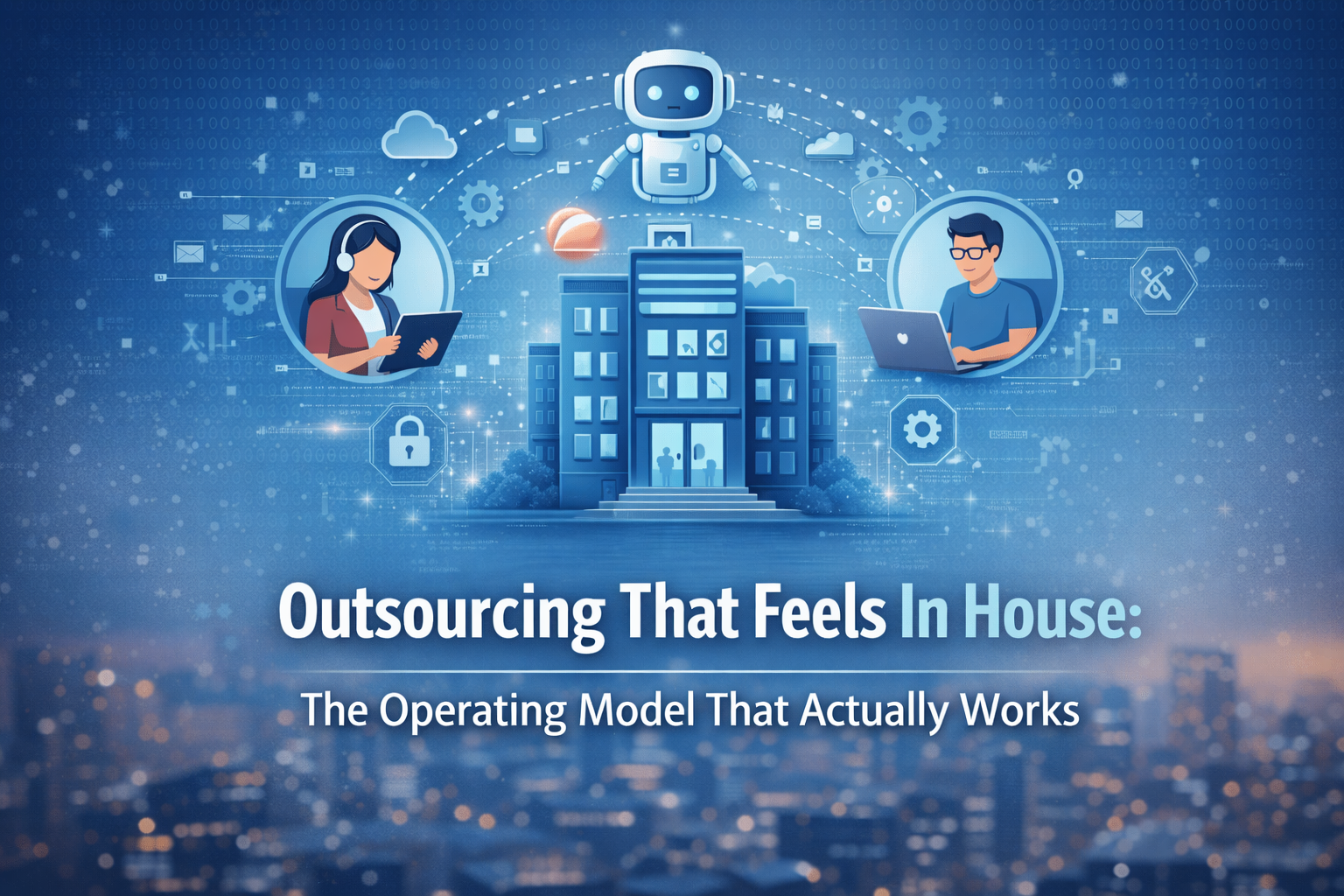
Outsourcing can feel like a true extension of your business when the right operating model is in place. This blog explains how clear processes, shared systems, strong onboarding, role clarity, and AI-supported workflows help outsourced teams work more like in-house support instead of disconnected outside help.
A lot of businesses say they want outsourcing that feels in house. What they usually mean is simple. They want support that is reliable, responsive, aligned with their goals, and easy to work with. They do not want to feel like they are constantly repeating instructions, chasing updates, fixing errors, or managing a disconnected outside team. Good outsourcing should reduce pressure, not create more of it. McKinsey notes that business process outsourcing is becoming more digital and more strategic, especially when buyers and providers work together in a more collaborative way.
The truth is that outsourcing does not feel in house because of a title or a promise. It feels in house because of the operating model behind it. If the systems are weak, the communication is inconsistent, and the responsibilities are not clear, even a talented outsourced team will feel far away. But when the operating model is built properly, outsourced support can feel like a true extension of your business. Deloitte’s 2024 Global Outsourcing Survey says organizations are rethinking how they govern and manage the extended workforce ecosystem, and it highlights the need to think differently about how this broader operating model is managed.
That is also why this topic fits Hamedia Agency so well. Hamedia’s website explains that the company combines talent, AI, and strategy to deliver outsourcing and digital services tailored to business needs, and its approach page says the process starts with learning goals, studying workflows, and designing a plan that blends people and AI automation while keeping the human touch where it counts.
Most outsourcing problems do not come from the idea of outsourcing itself. They come from the way it is set up. Many businesses treat outsourcing like a simple handoff. They send tasks to an external team, expect fast results, and hope everything will run smoothly. But without a real structure, that model usually breaks down. Work gets delayed, context gets lost, and the business starts feeling like it has to manage the provider instead of being supported by the provider. McKinsey’s outsourcing analysis points out that the model is becoming more powerful when it is treated more strategically instead of only as a basic cost-saving setup.
Another reason outsourcing can feel distant is that the provider is kept too far from the real workflow. They get tasks, but not enough context. They are expected to perform, but not given enough process detail. They are measured on output, but not fully connected to the systems and goals that shape the work. That creates a gap between the client team and the outsourced team, and that gap is what people feel.
If a business wants outsourcing to feel more in house, it needs to stop thinking only about headcount and start thinking about operating design. The real question is not just who is doing the work. The real question is how the work is being run.
A lot of companies begin outsourcing by trying to fill a role. They look for a virtual assistant, a support rep, a technical support agent, or an operations person. But the better place to start is the process. What needs to happen every day, every week, and every month? What tasks are repeatable? What decisions need escalation? What does success look like? When those answers are clear, hiring or outsourcing becomes much easier. Hamedia’s approach page says the work starts with listening, learning goals, and studying processes before building the support plan.
That matters because people perform better when the workflow around them is clear. If your SOPs are weak, your task ownership is vague, and your handoff points are messy, it does not matter whether the worker is in your office or outside your company. The system will still produce friction. An in-house feeling comes from clarity. People need to know what they own, where they work, how they report, and when they escalate.
If your business is trying to build better day-to-day support around admin work, inbox management, scheduling, document handling, and recurring operations, this is where a virtual assistant setup can work extremely well, especially when the support is tied to clear systems. If you need reliable virtual assistants supported by structured workflows and AI-backed efficiency, check this page.
One reason some outsourced teams feel disconnected is that nobody really knows who owns what. The client assumes the outsourced team will handle an issue. The outsourced team assumes the client will step in. A task sits in the middle and slows down. That is not a staffing problem. That is an ownership problem.
The best outsourcing models define ownership clearly from the beginning. Who owns task execution? Who owns approvals? Who owns escalations? Who owns reporting? Who owns quality checks? When those answers are written into the operating model, the relationship feels more stable and less reactive. A team cannot feel in house if it is constantly waiting for unclear decisions.
This is also where role design matters. An outsourced team should not just receive tasks. It should have clear responsibilities inside the workflow. That might mean owning first-response inbox handling, updating CRM records, triaging tickets, preparing documents, managing recurring admin tasks, or maintaining dashboards. When people know their lane and their standard, they begin to feel like part of the operating engine instead of just outside help.
Outsourcing feels distant when work lives in email chains and scattered messages. It feels closer when work lives in shared systems. That means the outsourced team should operate inside the same tools, dashboards, and workflows that drive the business. If the team is updating the CRM, handling tickets, managing tasks, or reporting KPIs in the same environment as the client team, the work feels far more connected. Hamedia’s homepage says its services include operational AI dashboards, and the virtual assistant page mentions support across CRM and project management systems like Asana, Trello, HubSpot, and Salesforce.
Visibility is a big part of trust. When a business can see the work, track performance, and understand status without asking for updates every hour, outsourcing feels calmer and more reliable. That is one reason Deloitte’s survey is so relevant here. It shows that many organizations are working through more complex sourcing ecosystems, and that governance matters more as these models evolve.
If your business also needs reliable user support, ticket handling, troubleshooting, or coverage that is hard to maintain internally, technical support is another area where the operating model makes a huge difference. If you need dependable technical support that combines human help with AI-supported workflows, learn more here.
Another big reason outsourced teams fail to feel in house is poor knowledge transfer. Businesses often assume the provider will figure things out as they go. That usually leads to inconsistent output, repeat questions, and unnecessary slowdowns. A better model treats onboarding as part of the operating system, not as a quick setup step.
Good onboarding gives the outsourced team access to the context behind the work. That includes SOPs, priorities, tone guidelines, escalation rules, common exceptions, and real examples. Hamedia’s virtual assistant page says its VAs are supported by AI QA, AI automation, and an AI knowledge base that can reference client SOPs and provide quick answers to complex questions. That kind of support structure makes it much easier for outsourced staff to work with consistency.
The more your outsourced team understands how your business actually works, the more natural the relationship becomes. They make fewer avoidable mistakes, ask better questions, and need less rework. That is one of the clearest signs that the model is working.
A lot of people assume an in-house feeling comes from nonstop communication. It does not. It comes from the right communication at the right times. If a business is always checking in because it has no confidence in the workflow, that is not alignment. That is compensation for a weak model.
The better approach is to create a rhythm. Daily updates for active execution. Weekly reviews for performance and blockers. Monthly calibration for process improvements, priorities, and staffing changes. This keeps everyone aligned without making the relationship feel chaotic. It also helps the outsourced team understand what matters most, instead of reacting only to whatever comes in that day.
Hamedia’s approach page speaks directly to long-term partnerships and constant improvement supported by real-time performance data. That is important because outsourcing works best when it is treated as an evolving operating relationship, not a one-time transaction.
AI is becoming a bigger part of outsourced operations, but AI alone does not make outsourcing feel in house. Deloitte’s 2024 survey says 83% of surveyed executives are leveraging AI as part of outsourced services, yet it also notes that tangible benefits have often been limited by governance and contracting challenges. That is a useful reminder. Technology helps, but the model still matters.
What AI does well is support consistency, visibility, speed, and analysis. It can automate repetitive tasks, help route work, monitor quality, summarize information, and surface trends. But if ownership is unclear and the workflow is poorly designed, AI only speeds up a broken process.
Hamedia’s positioning around AI-powered outsourcing is strongest when it is tied to this idea. The value is not just “we use AI.” The value is “we use AI inside a structured operating model that helps your team work faster, smarter, and with better oversight.”
When the model is working, the signs are clear. Work moves without constant follow-up. The outsourced team understands the business context. Reporting is easy to review. Escalations are clean. Quality is more consistent. The business feels supported, not stretched. That is when outsourcing stops feeling like outside labor and starts feeling like part of the company’s daily operating rhythm.
That does not mean the outsourced team has to pretend to be internal staff. It means the workflow, accountability, and visibility are strong enough that the relationship feels integrated. That is what most businesses actually want when they say they want outsourcing to feel in house.
If a reader is evaluating outsourcing partners, this is also a good point to guide them toward your broader company and service pages. If you want to learn more about Hamedia Agency, its service model, and how it supports businesses with AI-enhanced outsourcing, start here.
Outsourcing that feels in house is not built through marketing language alone. It is built through process design, role clarity, shared systems, useful reporting, strong onboarding, and a communication rhythm that keeps everyone aligned. That is the operating model that actually works.
For businesses that want better support without the full cost and friction of building every function internally, this model creates a smarter middle ground. You get flexibility, added capacity, and specialized support, but with more structure and less chaos. And when that structure is in place, outsourcing stops feeling separate from the business and starts feeling like part of how the business runs.
If you are building a remote support model and want help with virtual assistants, technical support, or AI-powered operational workflows, Hamedia Agency has several paths readers can explore next.
Valerie Vince Cruz is a thought leader in AI-enhanced outsourcing and business operations. With years of experience helping companies scale efficiently, they share insights on the latest trends and best practices in the industry.
Get in touch with our team and we'll help you find the right solution.
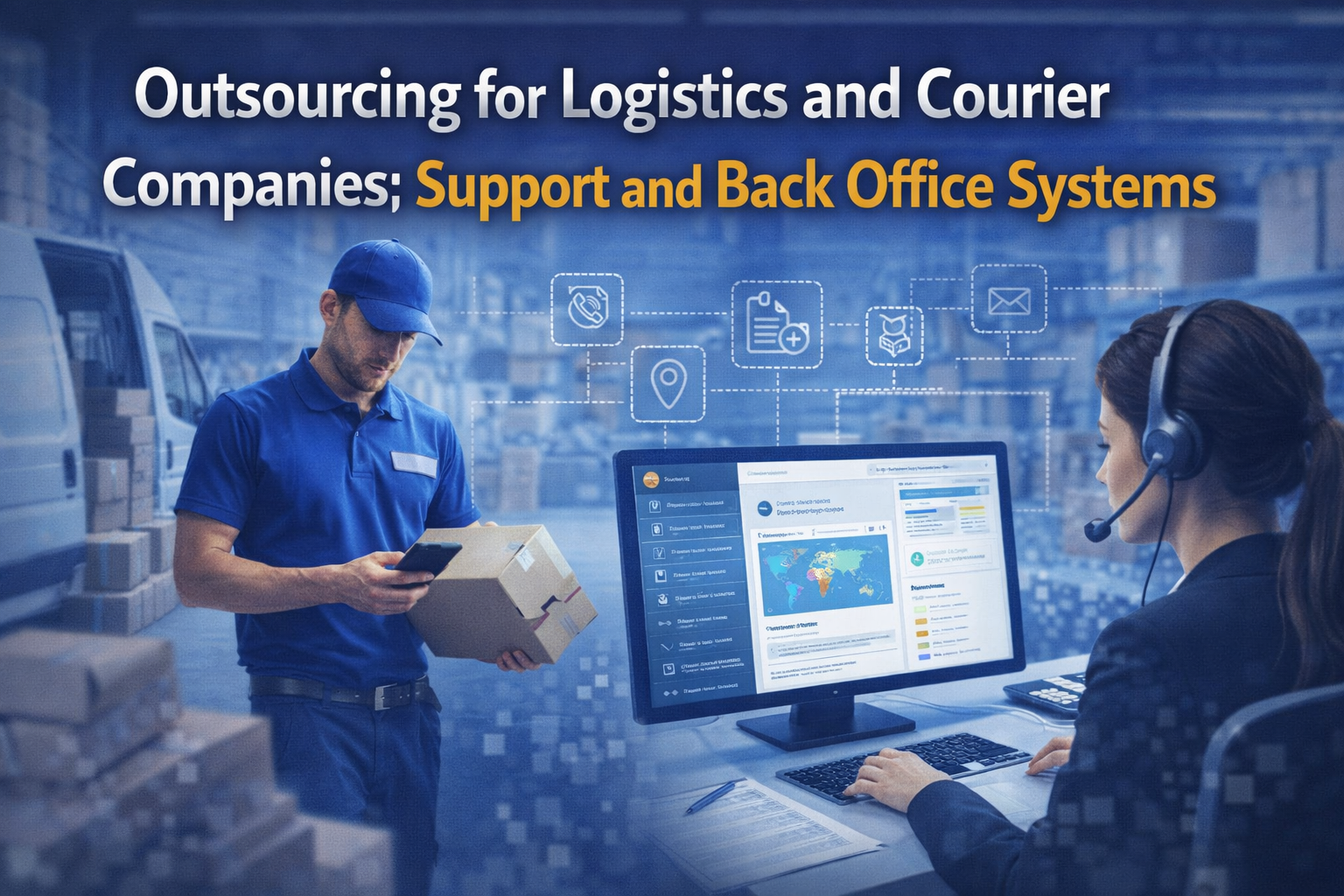
A modern courier operation is more than drivers and vehicles. It is a system of intake, dispatch support, tracking and proof of delivery, exception handling, reporting, billing reconciliation, and customer communication. In this post, you will learn which support and back-office workflows logistics and courier companies can outsource safely, how to set guardrails like escalation rules and approval gates, and how strong POD and chain-of-custody processes improve client trust and retention as routes and stop counts scale.

Outsourcing can scale your business fast, but it also increases security risk if access is unmanaged. This guide explains how to outsource securely using least-privilege access, password managers, named accounts, role-based permissions, MFA, approval gates for high-risk actions, and a repeatable offboarding checklist. It also covers AI data rules and audit logging so you can scale with confidence.
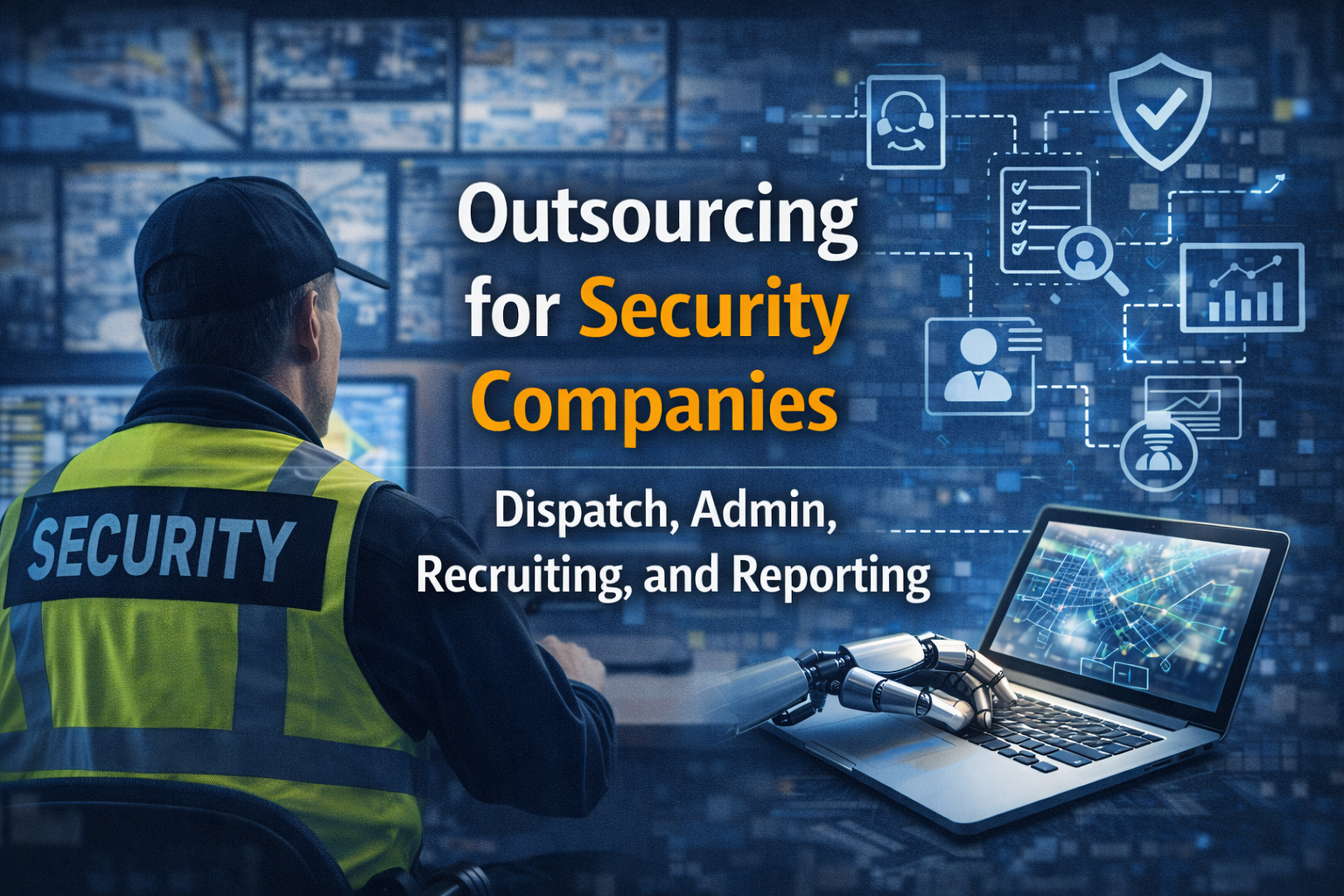
Security companies often hit scaling issues in dispatch, admin, recruiting, and client reporting long before they hit guard performance limits. This guide explains what security firms can outsource safely, how to split authority vs execution, which workflows deliver the fastest ROI, and what guardrails like least-privilege access, approval gates, and documented escalation paths keep quality and client trust high.